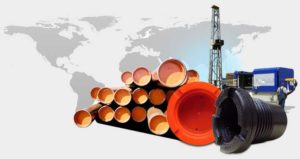
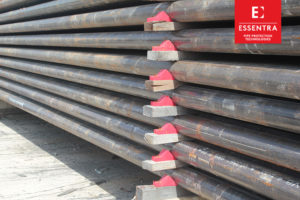
Thread protectors play a vital role in safeguarding pipes in mines and oil rigs. Typically made of steel or plastic, plastic thread protectors are favored for their lightweight nature and cost-effectiveness. Their ability to protect pipes from damage is unparalleled. However, it is crucial to acknowledge that plastic thread protectors can be vulnerable to the harmful effects of UV sunlight. Therefore, taking proactive measures to shield them from the damaging impact of UV rays is necessary to maintain their efficacy and longevity.
Protecting Plastic Thread Protectors from UV Radiation
This protection is required because many synthetic and natural polymers, or plastics, are susceptible to damage from the action of UV radiation. The UV rays are absorbed by some chromophoric groups in the structure of the plastic, causing a breakdown of the polymer chain, which in turn leads to degradation. The immediate effects include discoloration and a chalky appearance on the surface layer, but if left unchecked, the degradation can result in cracking or even complete disintegration of the product.
This is important because pipes for mines and oil rigs can often be left exposed to sunlight for long periods of time while being transported, so if they are fitted with plastic thread protectors, these must be protected from UV degradation. If the protectors were to crack or disintegrate, it could result in catastrophic failure of the piping system for the mine or rig. Either polymers with high resistance to UV rays, such as HDPE, must be used in their manufacture, or ways must be found to protect the plastics from UV radiation effects.
This protection can be achieved by adding chemicals to the ingredients during manufacture before shaping the products by injection molding. One effective solution is adding carbon black particles, at a level of 2.5% and 4.5%, or other pigments such as titanium dioxide. Other solutions include adding UV absorbers, such as benzophenone compounds, or UV stabilizers, such as a HALS — Hindered Amine Light Stabilizer.
Even with high resistance or additives, however, it is still possible, albeit remotely, for cracking and brittleness to occur alongside color changes. It is, therefore, absolutely essential to carry out rigorous testing to determine the ability of the plastic thread protectors to withstand prolonged exposure to sunlight. The test methods used have been refined over several years to provide a total guarantee of safety.
Plastic Thread Protectors and UV Radiation Testing
An important part of the testing process is accelerated exposure testing, which uses solar concentration technologies to simulate several decades of UV radiation from the sun within a single year. This is necessary to ensure the product’s long service life and predict its UV stability. In addition, the effect of UV rays on the material can be determined by employing UV spectroscopy or electron microscopy and by using EPR (Electron Paramagnetic Resonance) to detect free radicals.
The use of plastic thread protectors undoubtedly brings many benefits to the oil and mining industries in terms of increased safety and productivity. However, any plastic product that will be subject to prolonged exposure to direct sunlight must be formulated to ensure adequate UV resistance, using additives if necessary. Even when this is established, appropriate testing standards must be in place so that any possibility of failure can be totally eliminated.
At MSI, we understand the importance of providing high-quality products to our customers. That’s why we conduct rigorous testing for UV resistance and other quality screenings to guarantee that our plastic thread protectors can withstand any harsh environmental conditions. If you’re looking for reliable and durable pipe protection products that won’t let you down, don’t hesitate to contact us today.